Our science

PROTOS: The role of silica in the dawn of life on our planet

PROTOS is an international collaboration led by the Ikerbasque professor Juan Manuel Garcia-Ruiz together with Prof. Wolfgang Bach and Prof. Mark Van Zuilen and involving the Donostia International Physics Center as project coordinator, the University of Bremen, the Naturalis Biodiversity Center in Leiden, the Leibniz University in Hannover, the Geo-Ocean laboratory of the CNRS, the Andalusian Institute of Earth Sciences, and the Génie Chimique laboratory of the National Polytechnic Institute of Toulouse.

PROTOS received a funding of 10 million euros from the European Research Council through an ERC Synergy Grant (101118811).

Reshaping Our Understanding of Earth’s Earliest Chapter

The first 600 million years of Earth’s history—known as the Hadean eon—remain one of science’s greatest mysteries. With no preserved geological record from this primordial time, our understanding of the planet’s infancy and the origin of life relies on computational models and laboratory simulations. PROTOS, an ambitious project funded by a €10 million ERC Synergy Grant, has been designed to transform our view of this ancient epoch.

Led by the Ikerbasque Research Professor at the Donostia International Physics Center (DIPC), Juan Manuel Garcia-Ruiz, together with Professor Wolfgang Bach (University of Bremen) and Professor Mark van Zuilen (NATURALIS Biodiversity Center), PROTOS is pioneering a new experimental frontier. Their goal? To recreate ancient Earth environments inside the laboratory and explore how life-supporting conditions emerged.

Simulating the Primordial Soup

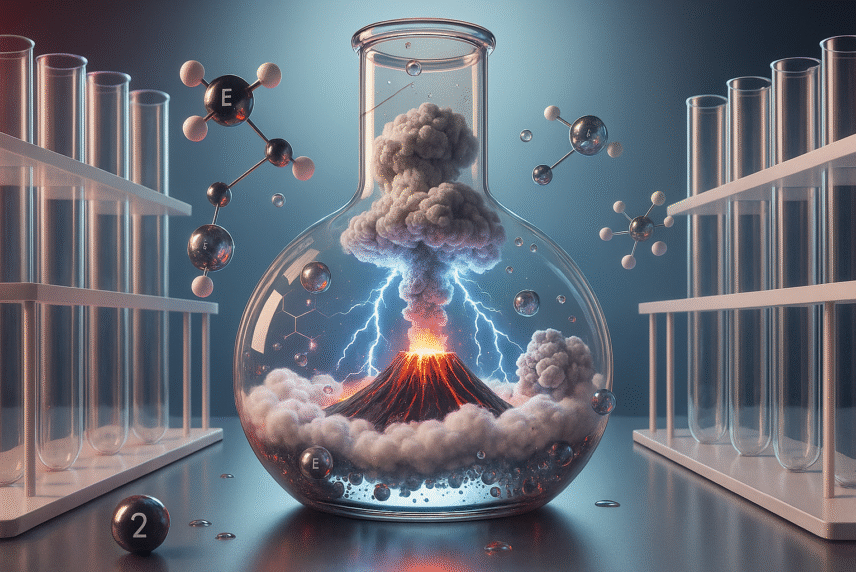
The idea of reproducing the conditions of the primitive Earth in a flask is not new; it is based on the famous experiment carried out by the scientist Stanley Miller the same year that professor Garcia-Ruiz was born. “It is one of the most elegant and interesting experiments in the history of science,” said Garcia-Ruiz, when referring to this experiment which, like PROTOS, combines water, gases and electrical discharges inside a borosilicate glass reactor.

Garcia-Ruiz has notably refined the original experiment by replacing borosilicate glass reactors with Teflon, an inert material. The surprising result? In the absence of silica from the glass, no amino acids or nucleobases —the foundational molecules of life— were formed. This pivotal insight led the PROTOS team to a breakthrough conclusion: silica was not just a passive container but a critical player in the chemistry of life’s origins.

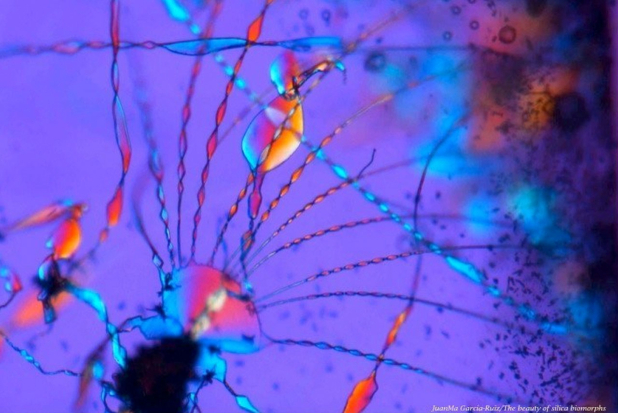
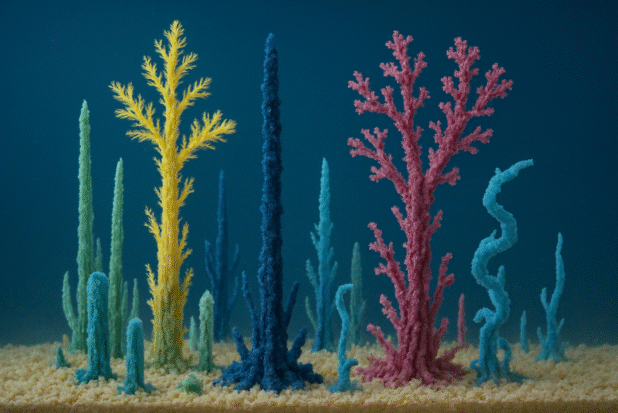
Our experiments show that silica doesn’t just help synthesize prebiotic compounds, it also induces the formation of hollow vesicles, or protocells, presumably acting as catalysts for chemical reactions that may have played a crucial role in the origin of life.

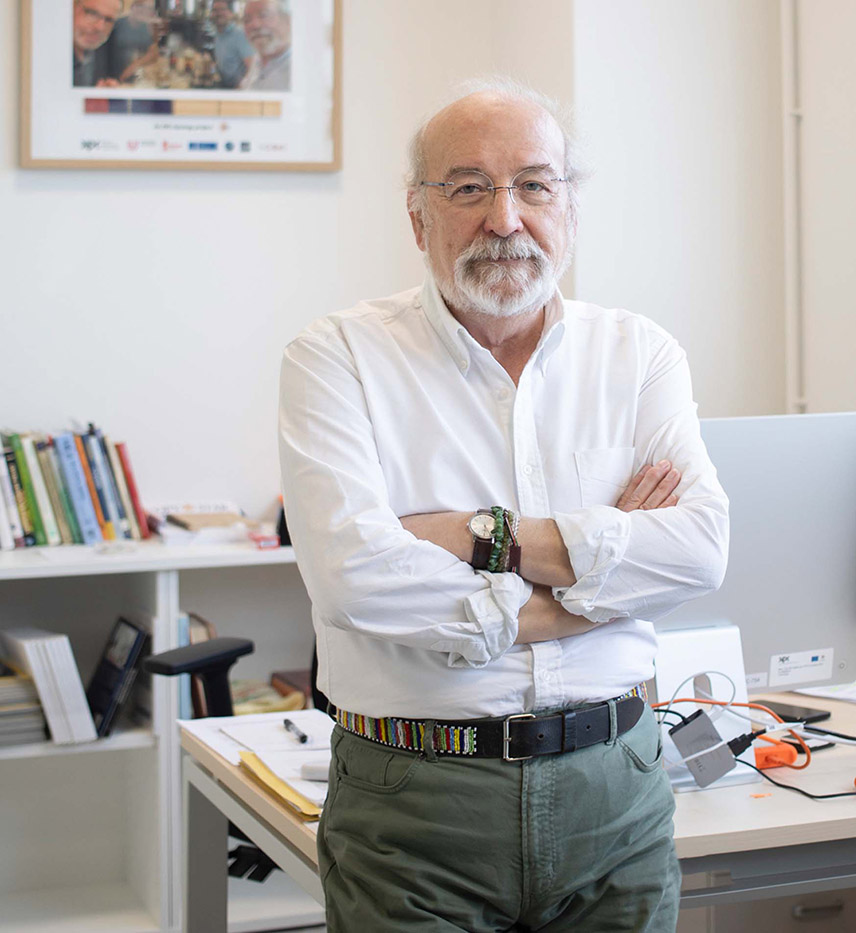
Juan Manuel Garcia-Ruiz, Ikerbasque Research Professor at DIPC.
Photograph of geologist Juan Manuel García-Ruiz, Ikerbasque professor at the DIPC and honorary research professor at the CSIC.

The Role of Silica in the Origins of Life

The project builds on the hypothesis that early Hadean aquatic environments were rich in silica and basic carbon-based molecules, much like the carbonaceous cherts seen in the oldest rock formations. The PROTOS team proposes that these silica-rich settings acted as natural laboratories, facilitating the formation of organic compounds and biomorphic structures, precursors to cells known as protocells.

“Our experiments show that silica doesn’t just help synthesize prebiotic compounds, it also induces the formation of hollow vesicles, or protocells”, explains Garcia-Ruiz. “These structures provide the essential compartments needed for more complex reactions to take place, reactions that eventually led to the emergence of life.”

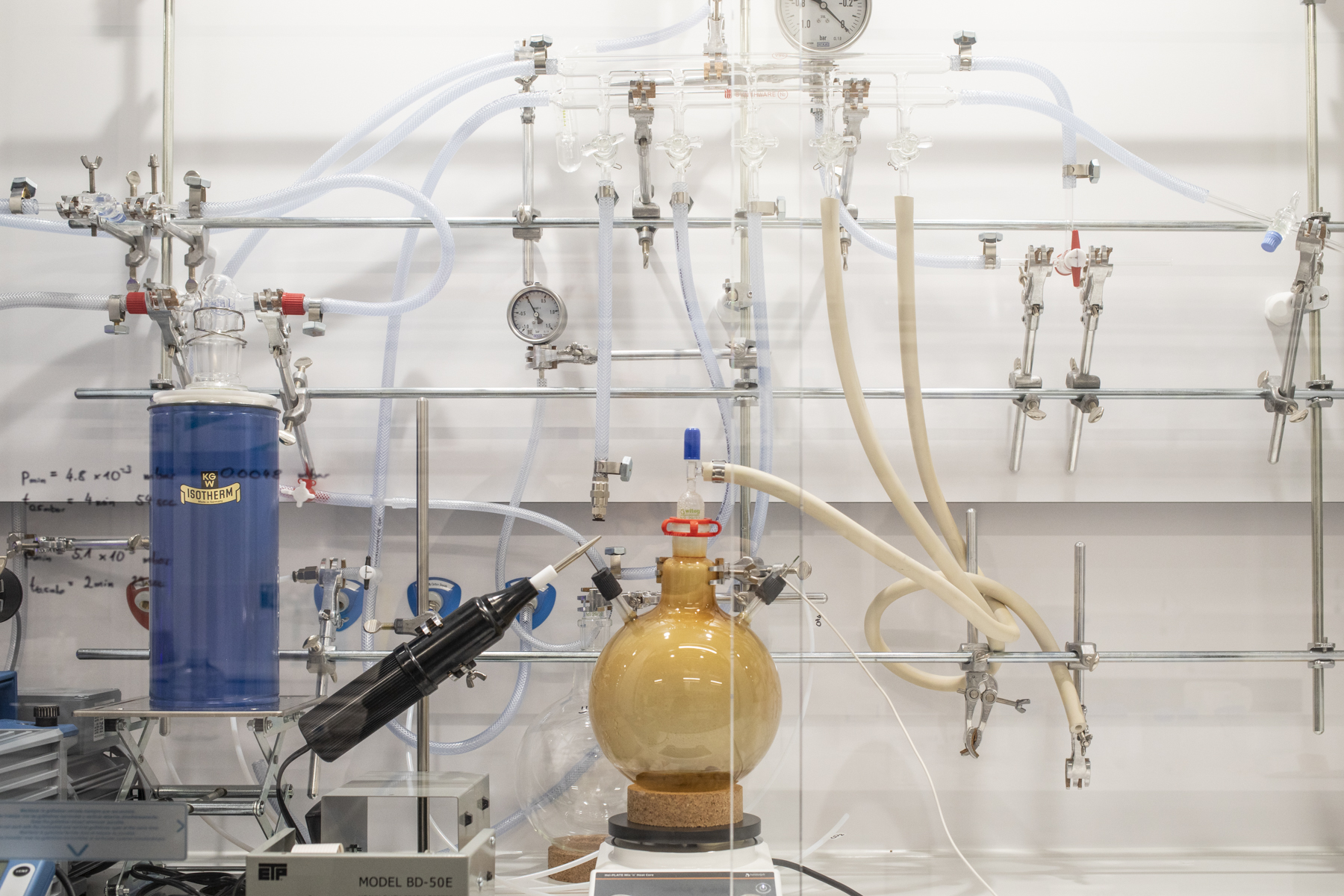
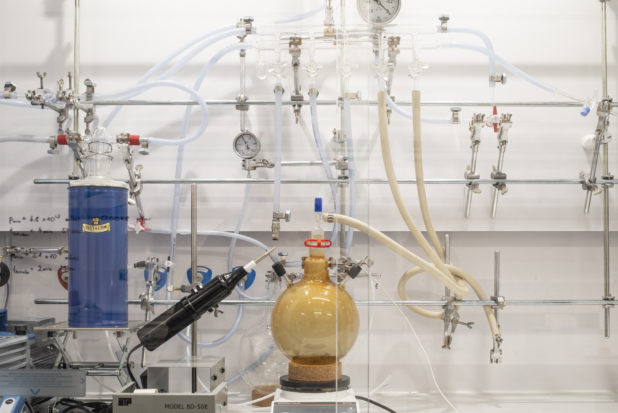
Image of the DIPC Lab.

A New Time at DIPC

Garcia-Ruiz’s arrival at DIPC as an Ikerbasque Research Professor marks the launch of a cutting-edge research line on Mineral Self-organization and the Origin of Life. The PROTOS team is building a state-of-the-art laboratory to push the boundaries of our understanding on the prebiotic processes that led to the origin of life and the role that silica played in these ancient reactions.

“The reception at the DIPC has been excellent. We have the support of the Basque Government through the Ikerbasque programme, we are building a state-of-the-art laboratory to continue driving forward our research, and I have been able to develop outreach and dissemination projects with them in a short period of time. I’m very happy to have embarked on this new chapter of my research career at DIPC” said Garcia-Ruiz.

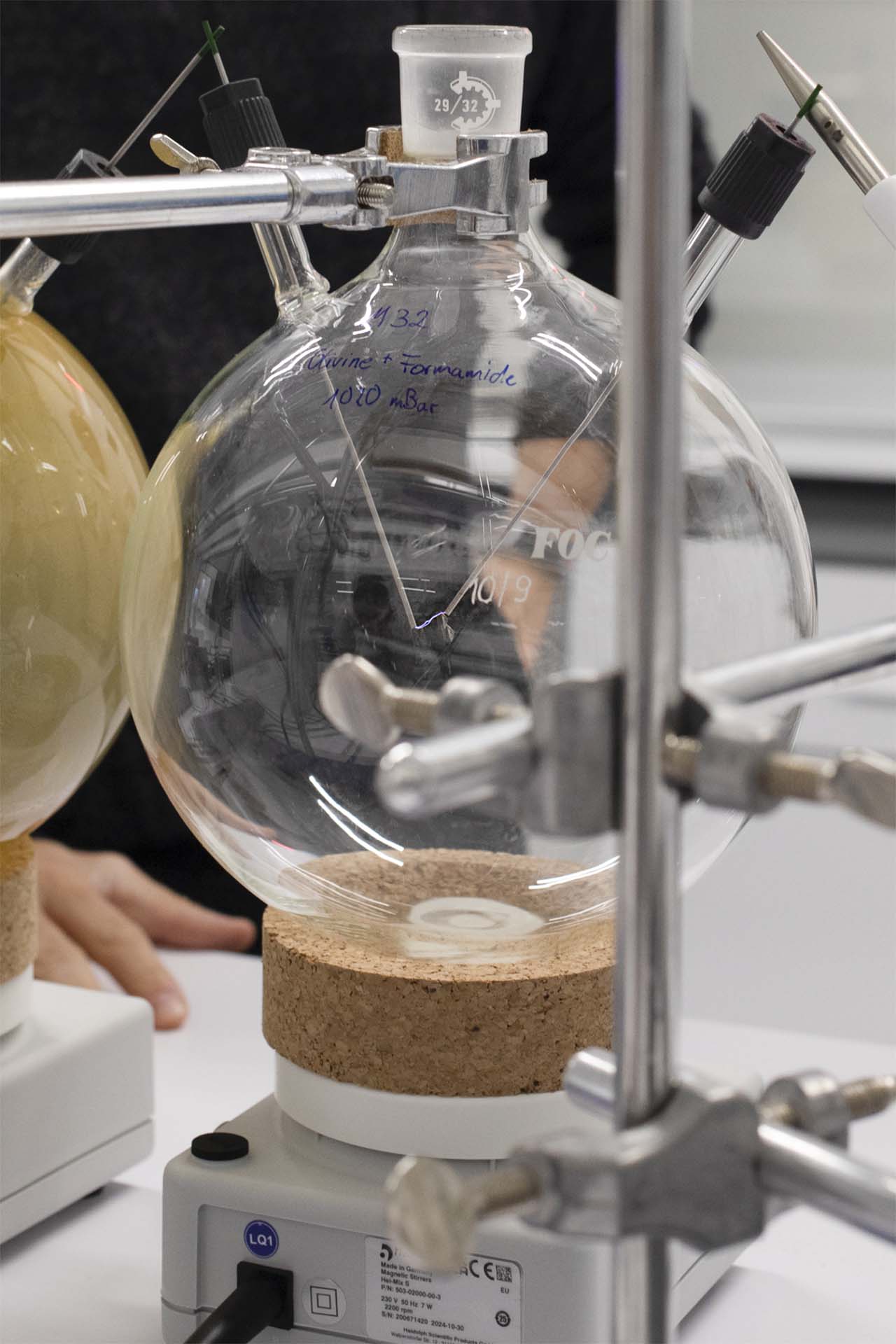
García-Ruiz’ Lab at DIPC
Resumen de privacidad

Esta web utiliza cookies para que podamos ofrecerte la mejor experiencia de usuario posible. La información de las cookies se almacena en tu navegador y realiza funciones tales como reconocerte cuando vuelves a nuestra web o ayudar a nuestro equipo a comprender qué secciones de la web encuentras más interesantes y útiles.